
I’ve been losing my elders. Not just those of my parents’ age, who are mostly gone now, but some older friends of my youth who led the way into a strange, unprecedented time when we were “finally,” as Neil Young sang it, “on our own.”
Leading the way again, Diamond Dave, Jacque Betz, and Uncle Bill Letempt have passed on and left me wondering.
Ever since the invention of time itself, parents have been passing down to children the slow accumulation of custom and belief called “culture.” Generation after generation of children have grown up, added their own contributions and passed it on. This seems to be the way human society is designed to operate.
Naturally, we modern Westerners have rejected that model. Wisdom and experience are now passé, because among the cultural contributions of my generation was the discovery that we can’t trust our parents. “Culture” is learned nowadays by imitating the latest crop of teenagers.
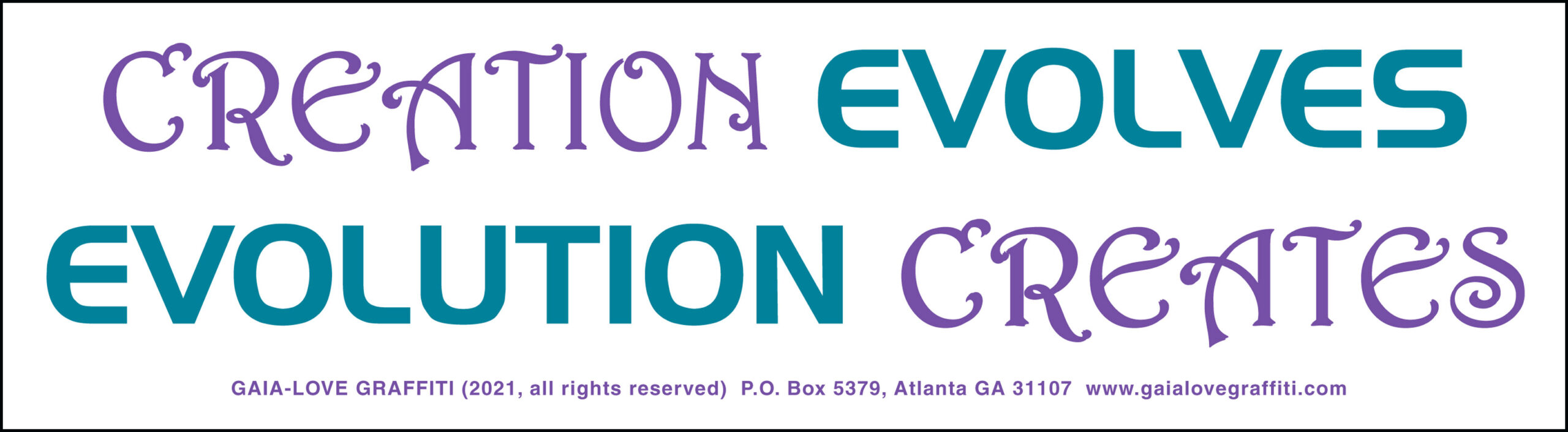
Parents, traditionally, are the keepers of tradition; their offspring are in charge of evolution. In a tribal society where parents and children love and trust each other, both roles are valued. Rather than suppressing or escalating tension, a cooperative society puts it to use for the common good.
But naturally, in our competitive Western society we experience any such tension as a conflict: a “generation gap.” Conflict means drama, as any successful Hollywood screenwriter can tell you. It’s much more entertaining if opposites are deadly enemies fighting it out instead of dance partners counterbalancing one another’s moves.
In many sane and sustainable cultures throughout the indigenous world, child-rearing is the grandparents’ domain. Cured of youthful assumptions, delusions, egotism and pretense – as well as those of society itself – the elderly just might have a clearer view of reality to pass on. Such a delayed feedback loop has obvious advantages.
But naturally, not here. Over the past three generations we Americans have pioneered a bold new cultural innovation. We efficiently quarantine our senior citizens in special compounds to avoid catching that wrinkly, spotted condition which seems to have no cure.
During the same three generations, by no coincidence, the social engineers of advertising and PR quietly achieved another radical shift. Once upon a time, when a child reached puberty anywhere on Earth, he or she joined the world of adults, with or without a coming-of-age ritual. Until the Baby Boom generation, there was no such thing as a “teenager.”
Imagine the perfect consumer: suspended between childhood and adulthood, with a nearly full-grown body and a child’s love for toys and play – with grownup appetites and childish attitudes of self-absorption and dependency – with an adult’s boundless interests and a child’s restless energy – and parents to pay the bills. Someone whose only relationship with the elderly is an annual Christmas present.
Culture as Marketplace
But as the Boomers aged, “teenager” became more than just a phase. Many of us seem to have adopted it for life, as if it was a paradigm of our generation, an identity we carry – or that carries us – to our graves. How many do you know who strive to keep their college-student lifestyle intact, endless partying and movies, sports and concerts, Facebook and video games and the latest brand of fun . . .
Who, me? Hold on, don’t judge us too harshly! Remember, the early Boomers had no elders they could trust. We tag-alongs had only them.
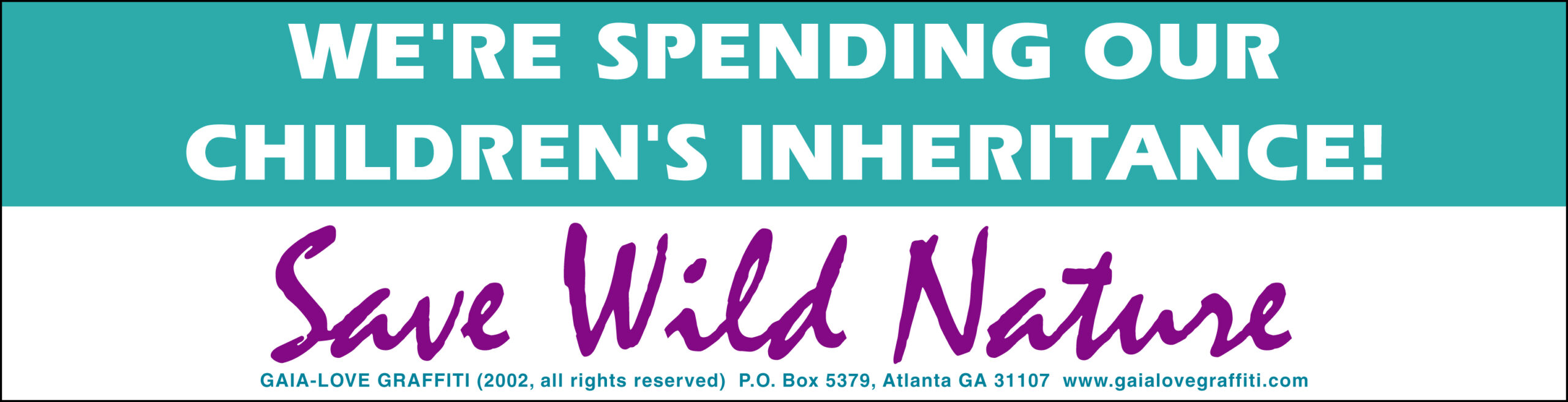
So how will Western culture get passed down from one generation to the next? This used to worry me. Then it dawned on me that for all its virtues, Western culture happens to be the most destructive force on the planet – trumpeting the virtues of democracy and free enterprise while steadily funneling the planet’s vast living wealth into credit-driven self-indulgence and corporate dividends.
Maybe it’s a good thing our so-called “culture” doesn’t get passed on in the traditional way. No wonder each generation of teenagers in turn rebels against their parents’ materialism, nationalism, militarism, sexism, homophobia, xenophobia . . . or all of the above.
Since the Baby Boom, in fact, adolescent rebellion against one’s elders has become the dominant theme of our culture, passed down from Generation X to Generation Y like ancient ancestral wisdom. But exactly how is it being transmitted across each successive generation gap?
Until you visit another country or spend time in the wilderness, it’s almost too omnipresent to notice. Like a freshly-hatched baby chick that imprints on the first moving thing it sees, we’ve all grown up trusting the media. And as cable channels multiply and competing media offer a more and more bewildering variety of entertainment, it’s easy to overlook the underlying agenda of “popular culture.”
We interrupt this essay to bring you a loud, exciting message from our sponsor, the modern corporation! Gigantic multinational corporations exist primarily to serve and please you, the customer! You can depend on your friendly local outlet or customer service representative to answer honestly and sincerely any question about our utterly safe and beneficial products and services, because we put your complete satisfaction above the mere accumulation of stockholder dividends! No matter what you want, need or desire, somewhere a corporation has dedicated itself to your instant and eternal satisfaction! Thank you, and come shop with us again!
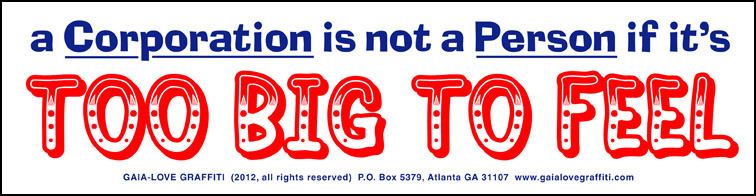
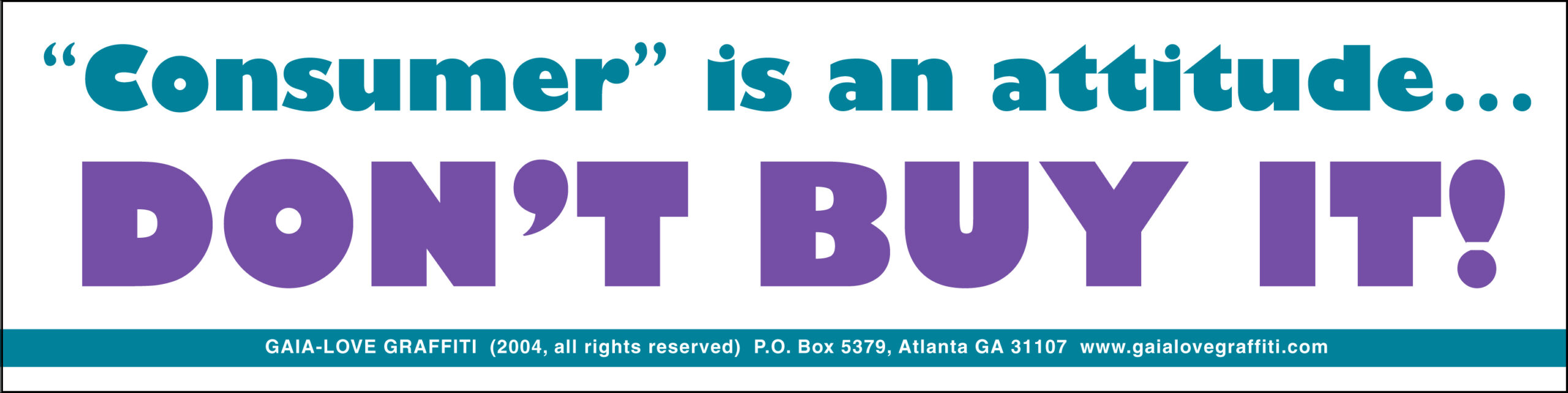
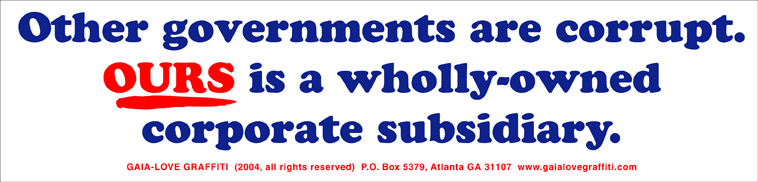
Through their media interface, the vibrant colors and rousing drumbeat of advertising, continually selling us the latest way to imitate rebellious teenagers, corporations have taken charge of human evolution. By investing heavily in right-wing politicians and customized legislation, they have co-opted tradition. Where we once had a culture, warped but widely shared, they have substituted a marketplace, and they’re milking it for all we’re worth. The corporations of today add a shiny new polish to the phrase, “organized crime.”
I imagine “retirement homes” full of regretful elders, only now realizing the foolishness of their youth, of our entire youth-obsessed culture, and wishing they could warn their grandkids – anybody’s grandkids. But they have been effectively sidelined.
We Are All Elders Now . . .
How have we reached the point where the normal way to win an election is to outspend the opposition on a saturation campaign of TV commercials and internet ads? Why on Earth do people believe anything a smiling face on a screen might say, just because a 30-second spot in the parade of advertising is so expensive?
Former grade-school teacher John Taylor Gatto’s books Dumbing Us Down and An Underground History of American Education describe how the compulsory school system was scientifically designed from the beginning to turn kids into passive, obedient workers and consumers.
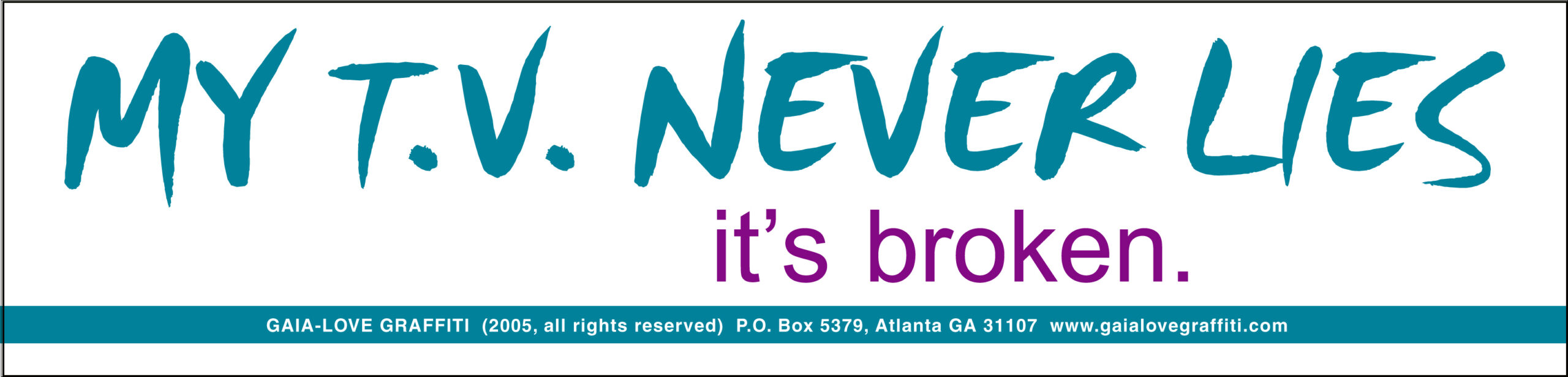
Former advertising man Jerry Mander’s books Four Arguments for the Elimination of Television and In the Absence of the Sacred explain how the technology of mass media has been used to make us a nation of shoppers, methodically trained to be led by the nose from sale to sale.
Media critic Neil Postman’s book Amusing Ourselves to Death details how our lifelong immersion in movies and television has conditioned us to see everything through the lens of entertainment, including the infomercials formerly known as “news.”
The writings of Howard Zinn, Noam Chomsky, and James Loewen demonstrate how our knowledge of history and current affairs is distorted by all of these stratagems in order to justify corporate profiteering backed by military force, while keeping us ignorant of how our lifestyle of maximum consumption impacts the global underclass and the natural world.
Like earlier technologies, the internet has been promoted as a boon to democracy. If we use it like a TV set or a newspaper, there is no end to the amount of useful information we can gather. But if staying informed takes up all our time, it’s useless. Right now I’ve somehow gotten on so many email lists that it’s difficult to pick out one action alert and respond.
But even activism isn’t enough. In an epoch of dangers and disasters beyond anything the Baby Boomers faced, the gap of distrust between generations – that no-man’s-land now occupied by the corporate media – is territory that must be reclaimed.
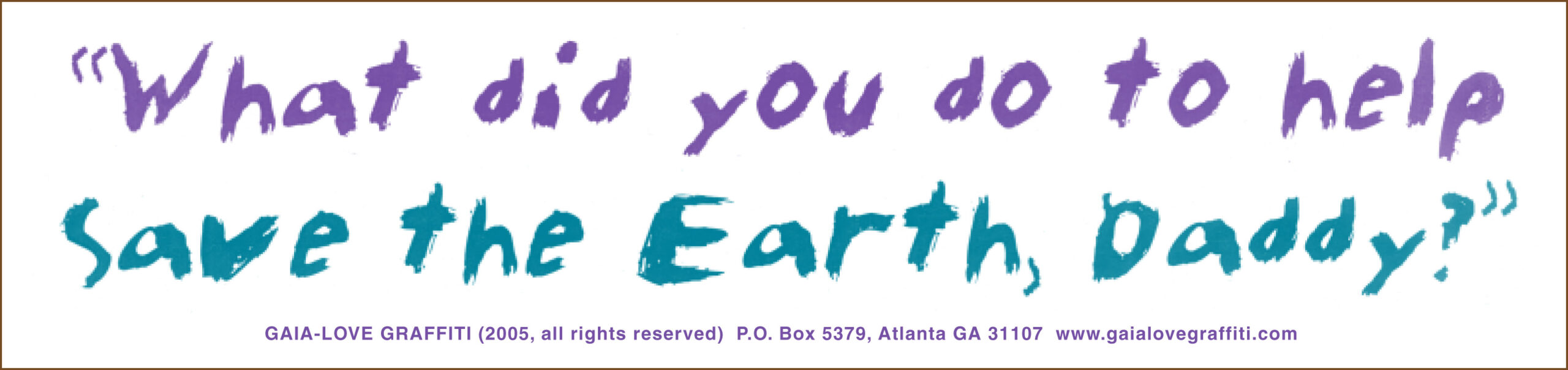
I try never to forget that when a younger person is watching, we are all elders. Whether good, bad, or simply the best we can manage, our example is always noticed. And we’ll never know what effect our actions today might have on the generations to come.
If our actions are true to our words, if we respect our youngers enough to somehow gain their trust, if despite the efforts of social engineers the generations can find a common thread to call “culture,” in the long run we may find that thread is a lifeline we desperately need.
Thank you, Diamond Dave! Thank you, Jacque! Thank you, Uncle Bill! Thank you, all my relations!
Note: as always, these are my personal opinions and do not represent any organization I’m involved with. If my words resonate for you, please share widely. Contains no AI ingredients! You can subscribe at StephenWing.com (and unsubscribe at any time). Read previous installments of “Wingtips” here.

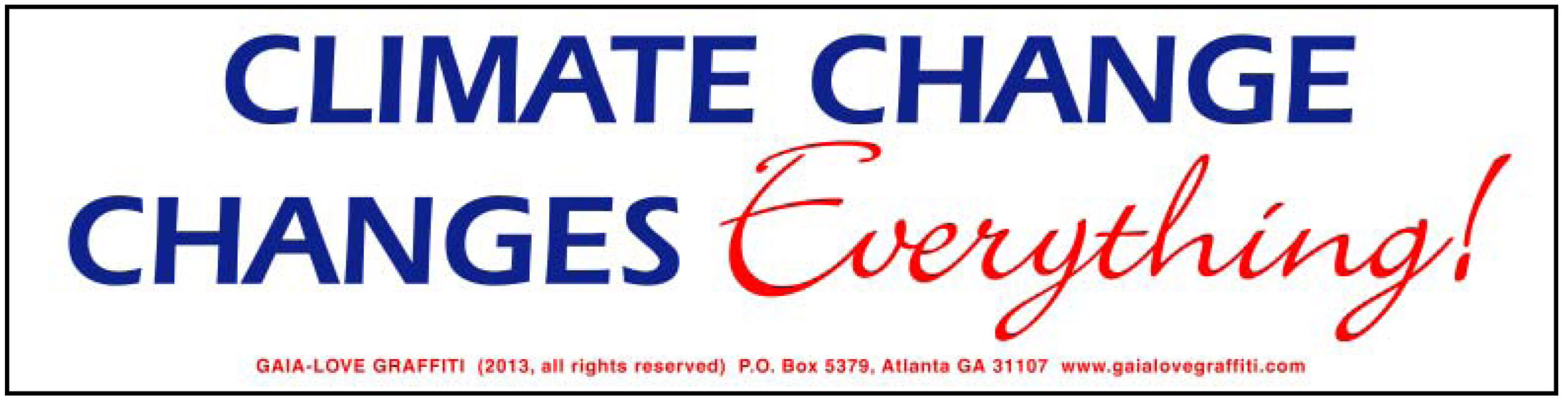
Wing’s original
stickers available at
GaiaLoveGraffiti.com





Dave Whittaker!!! Fare forward diamond!! Love Joe